
DIY vs. Professional Home Security Cameras Installation (GTA): Pros, Cons & Costs
When choosing between professional or self-monitored home security systems, compare the costs, reliability, and long-term support offered. DIY kits are cheaper upfront, but you can rely on professionally installed smart security systems more. They’ll deliver clear footage, have minimal interruptions, and send alerts consistently.
Should you get DIY security systems or go all in with professional home monitoring? Although DIY kits look cheaper upfront, they might not provide the long-term reliability and HD footage your space needs. On the other hand, a professionally installed system can feel like a steep upfront investment.
Yes, you shouldn’t skimp on security, but you also don’t want to waste money on a hyper-advanced system that you won’t use. To help you reach an informed decision, let’s analyze the trade-offs.
DIY vs. Professional Home Security Camera Installation: Cost Breakdown
DIY security cameras typically cost between $100 and $400 per unit, depending on the resolution (1080p vs. 4K), viewing angle, night vision range, and onboard storage capacity. These are wired devices that generally rely on Wi-Fi and app-based self-monitoring.
Meanwhile,
professionally installed home security cameras in the GTA cost
$150 to $350 per HD camera for hardware, plus an
$200 to $800 for installation. Although pricier, they often come with long-term warranty contracts and service calls.
Here are some factors that would affect the exact cost to fit your entire home:
- Retrofits: Job complexity is a huge factor to consider. Expect professionals to charge more if they have to do cable runs, drilling, PoE wiring, and mounting.
- Hardware Devices: The size of your setup is also important. Do you plan to install the full works or just a few cameras and glass break sensors?
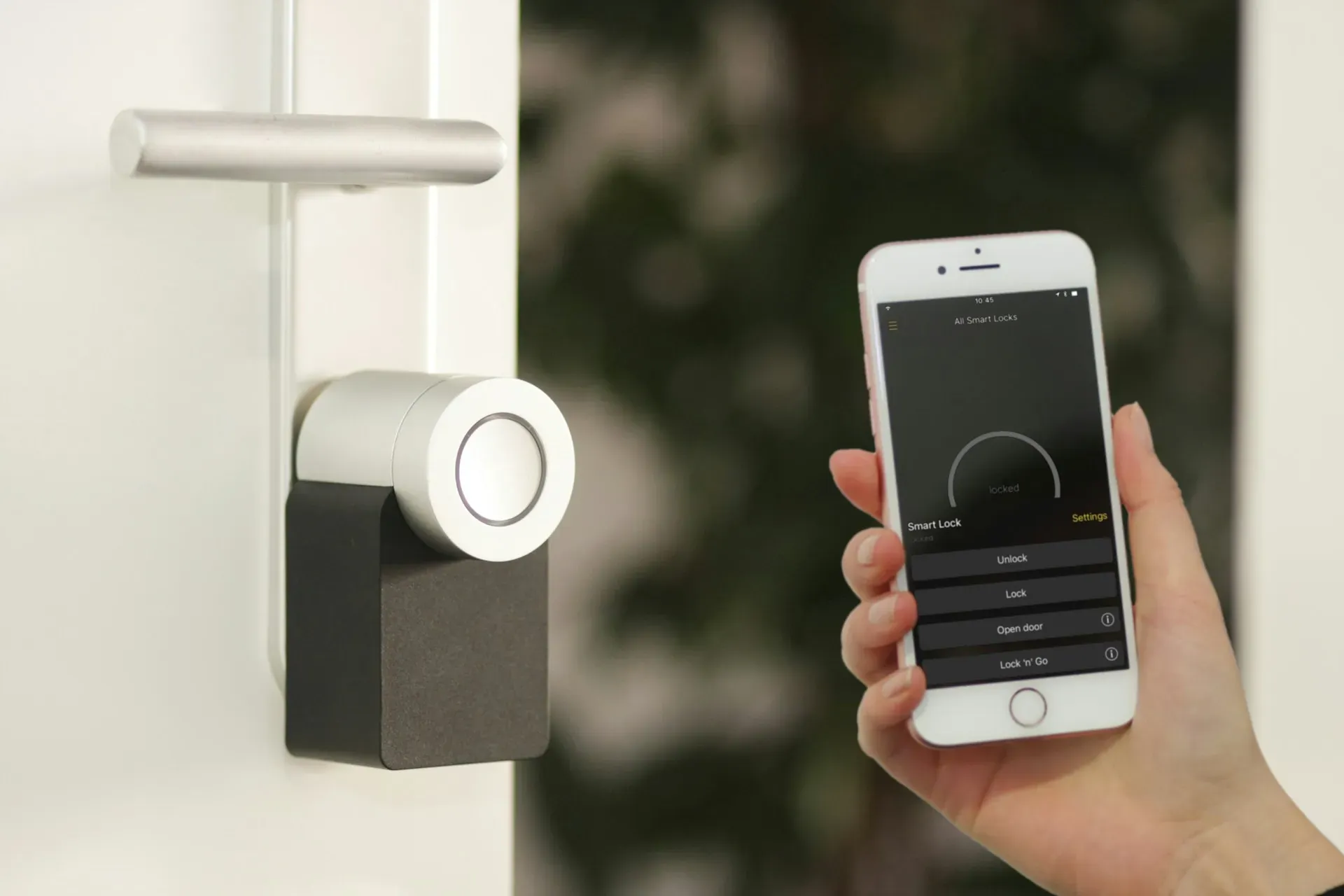
- Storage: DIY systems often use cloud storage with monthly plans ranging from $5 to $20 per camera. Local storage (microSD or NVR) has a higher upfront cost but no monthly fees. However, owners must maintain their drives themselves.
- Add-Ons and Hidden Expenses: Note that you’ll likely have to pay for Wi-Fi boosters, increased router load, and electrical work. For DIY projects, you’ll also cover the cost of the tools needed.
Source: Unsplash
The Pros and Cons of a DIY vs. Professional Home Security Camera Installation
Both DIY and professional home security systems can secure any home in the GTA; however, reliability depends on the quality of installation, network stability, and long-term support. Let’s weigh the pros and cons. To decide on what approach works better for you, assess which factors are more important to you.
| Category | DIY Home Security Cameras | Professionally Installed Systems |
|---|---|---|
| Reliability |
- Runs mostly on Wi-Fi - Performance can drop with interference from neighbouring units or thick walls - Signal loss leads to gaps in recordings |
- Uses hardwired PoE for stable bandwidth and uninterrupted recording - Network is designed to support multiple cameras without drops |
| Wiring & Setup |
- No in-wall cable routing , so placement is limited to where Wi-Fi reaches. - Homeowners must drill, mount, and test placement themselves |
- Technicians conceal wiring , install PoE switches, optimize angles, and follow electrical best practices for indoor/outdoor runs. |
| Weatherproofing |
- Basic IP (ingress protection) ratings , but often incorrectly mounted. - Risk of water ingress, condensation, and winter damage |
- Weather-rated housings, sealed cable entry points, junction boxes, and proper soffit placement for long-term outdoor durability. |
| Networking Stability |
- May require DIY Wi-Fi extenders . - Vulnerable to lag, buffering, and device overload |
- Often includes network load assessment, router optimization, or hardwired connections - Can configure separate VLANs for camera traffic |
| Coverage & Blind Spots |
- Homeowner estimates placement : driveways, side yards, and rear entrances are often missed |
- Conducts a full site audit to identify blind spots. - Technicians balance IR lighting and field-of-view for consistent perimeter coverage |
| Monitoring Options |
- Self-monitored only - Alerts go to the homeowner’s phone with no escalation pathway |
- Supports 24/7 monitoring , professional alarm response, and integration with broader home security systems |
| Warranty & Support |
- Hardware warranty only . - No coverage for installation mistakes, wiring failures, or misconfiguration |
- Labour warranty, service calls, and technician support for troubleshooting, repairs, and firmware updates |
| Maintenance |
- Homeowners must self-diagnose issues , update firmware, and troubleshoot connectivity |
- Ongoing maintenance plans available - Technicians check alignment, networking, cabling, and system logs |
| Total Cost Over Time |
- Lower upfront cost but higher long-term effort - Add-ons like cloud storage, Wi-Fi boosters, and replacement units increase costs |
- Higher initial investment but features a more comprehensive package , including system design, professional installation, long-term reliability, and support |
Should You Get DIY Systems or Professionally Installed Security Cameras?
The best choice depends on your home's layout, your comfort level with technology, and how important reliability is to you.
- DIY systems may be suitable for small condos. However, you’ll also be responsible for wiring, mounting, app configuration, cloud storage management, and troubleshooting. There’s also a huge risk of error if you’re inexperienced and ill-equipped.
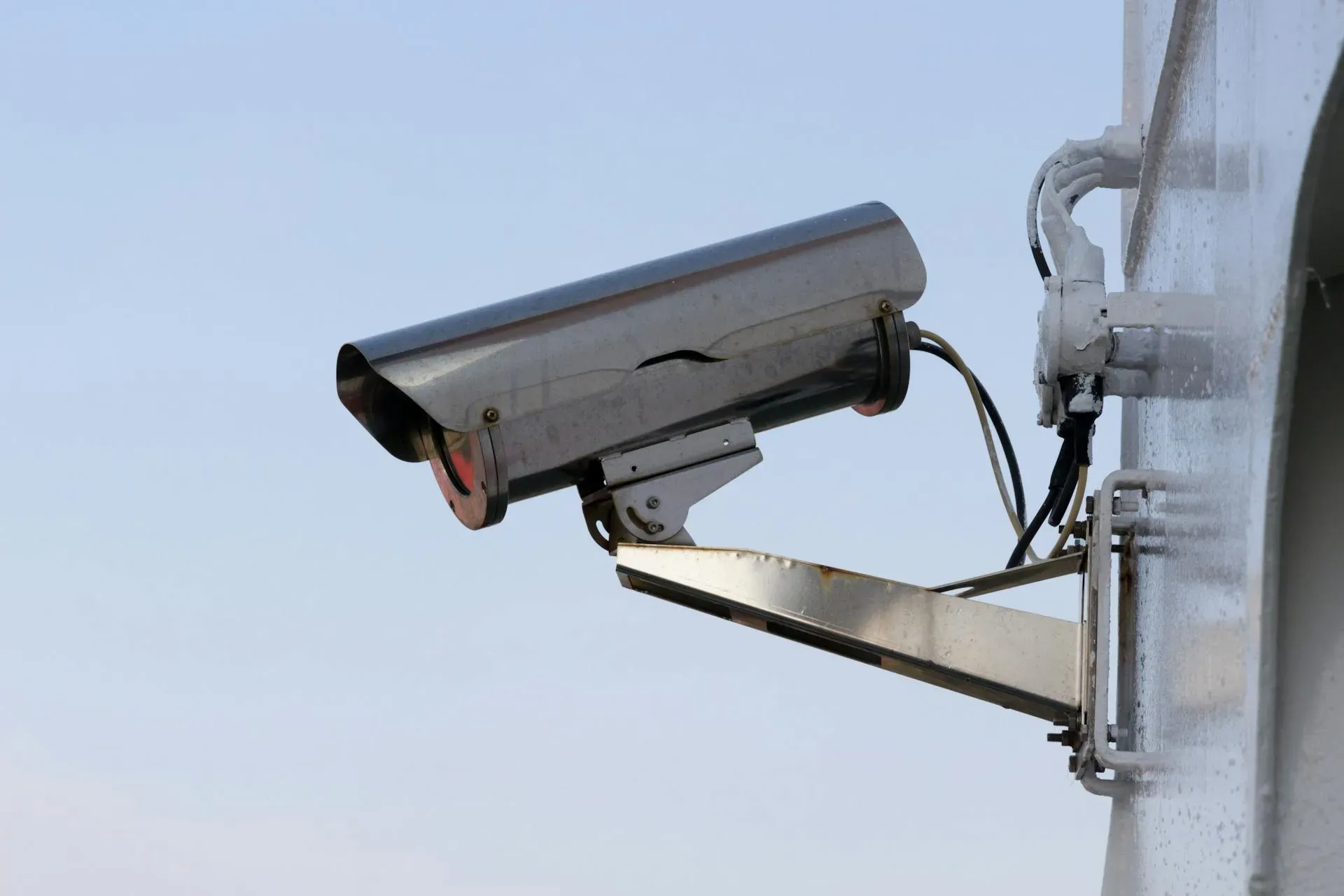
- Professionally installed smart security systems are the better choice for most homeowners. Experts can assess your whole home for retrofits and optimize the placement of your smart devices. For your peace of mind, you can also sign up for professional monitoring services.
Source: Pexels
FAQs About DIY Home Alarm Systems and Professional Home Monitoring
What is smart home monitoring?
Smart home monitoring uses connected sensors, cameras, and alarms that send instant alerts to your phone or a monitoring centre. They track activity across potential entry points. You’re free to set custom rules, although specialists generally place their motion detection tools on windows, doors, and outdoor gates.
What is the best home monitoring service in Canada?
There’s no single “best” provider because needs vary by home size, budget, and desired level of automation. Avoid choosing brands that offer you a cheap deal. Instead, look for reputable providers that deliver transparent pricing, flexible packages, real-time assistance, and support for both wired and wireless devices.
What wiring is required for smart home security systems?
Most DIY systems are wireless and rely on Wi-Fi, but they need proper router placement and minimal interference to deliver quality footage. Otherwise, you’ll frequently get unclear clips. For outdoor cameras, installers may run conduit-protected cabling for weatherproofing and vandal resistance.
In Summary
- DIY cameras cost less upfront but rely heavily on Wi-Fi. As a result, they’re prone to interference, blind spots, and recording gaps in dense GTA neighbourhoods.
- Professional installations cost more but provide hardwired PoE connections, weatherproofing, optimal placement, and long-term reliability.
- Hidden expenses, like cloud storage fees, Wi-Fi boosters, tools, and replacement units, often make DIY more expensive than expected over time.
- Pros handle retrofits, secure wiring, junction boxes, and camera angles to maintain consistent HD footage and full coverage.
- Professional systems support 24/7 monitoring, labour warranties, troubleshooting, and long-term maintenance, none of which DIY kits offer.
- Homeowners should choose based on reliability needs, home size, and technical comfort, but most GTA households gain better protection from professionally installed systems.
Get Professional Smart Home Security System Installation and Monitoring
For professional monitoring and smart home system installation, turn to PasWord Protection. We’ve been protecting GTA homes and businesses for over 60 years. Our specialists are ready to solve common security issues. Whether it's pesky placement errors, weak coverage zones, wiring issues, or weatherproofing gaps, we've got the skills to restore your home's security. Let us help you achieve optimal performance and peace of mind!
Call us for a
free consultation. We’ll analyze your current setup and suggest upgrades that improve coverage, reliability, and long-term security.