

How to Choose a 24/7 Monitoring & Security Company in Ontario
Choose a reliable and compliant security monitoring company in Ontario. Verify if they meet ULC and provincial standards, deliver human-verified alerts in real-time, and can integrate their systems with your existing setup.
Who should you entrust your safety to? Many security monitoring companies offer 24/7 services in Ontario, but it’s hard to tell which ones will deliver the results they promise. Don’t take this decision lightly. Your security solutions provider is responsible for filtering false alarms, escalating real threats, and coordinating with emergency responders.
There’s no room for error in alarm monitoring. You need a security expert who will respond accurately and consistently at all times. To help you make the right call, let’s break down the most critical factors to consider before signing up for professional security monitoring.
Key ULC Certification and Monitoring Standards to Look for in Security Companies
Security monitoring is a highly regulated field because it involves business security systems responsible for constant surveillance, emergency escalation, and coordination with public services. In fact, Canada has several rigid guidelines around it. Failing to comply, even unintentionally, can result in serious legal consequences, fines, and regulatory penalties.
Before signing with a business or home security monitoring service provider, make sure that they meet the following requirements:
ULC-S561 Certification
ULC-S561 is the gold standard for fire alarm monitoring. It defines how fire alarm signals must be received, verified, and escalated by a listed monitoring centre.
To maintain certification, monitoring centres must:
- operate from a ULC-listed central station
- use approved fire signal receivers
- employ trained operators on duty at all times
- follow the prescribed signal handling and escalation procedures
- support active and passive communication paths
- undergo regular third-party audits and inspections by Underwriters Laboratories of Canada
Learn more:
ULC Certification for Fire Alarm Monitoring
Ontario Ministry of Labour Security and Guarding Standards
Ontario regulates the
licensing and training that security personnel undergo. It maintains lawful conduct during security events. If your monitoring company has security guards patrolling your perimeter, ensure they are trained on these guidelines.
OPC / IPC Video Surveillance and Privacy Guidance
Federal and Ontario privacy commissioners enforce strict guidelines on
what surveillance data can be collected for video verification. They largely apply to any
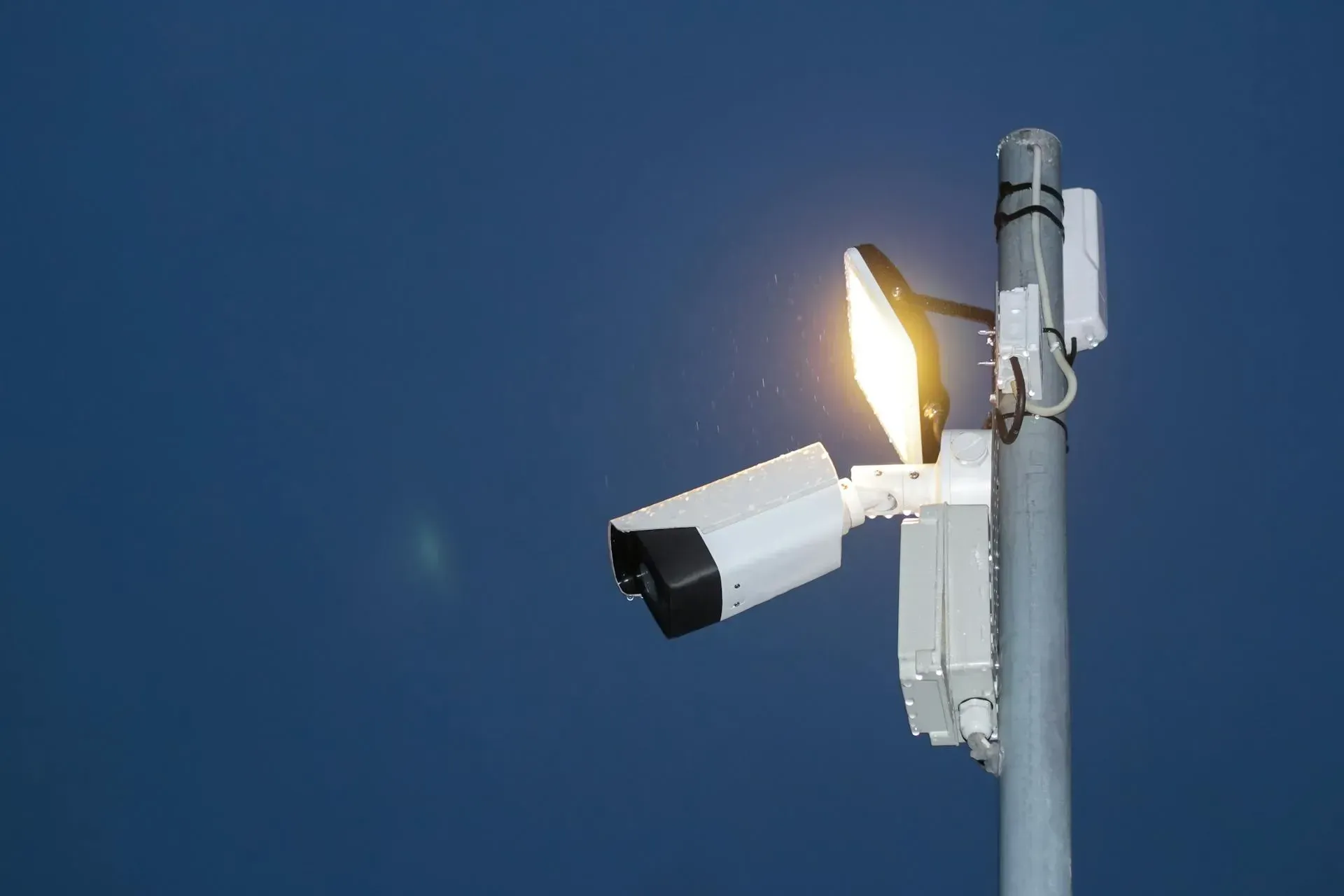
footage of public spaces. You might need to reassess the existing hardware you use for outdoor protection and environmental monitoring.
Source:
Pexels
How to Assess Response Times and Service Level Agreements Before You Sign
A fast response time is more important than having an advanced commercial alarm monitoring or home security system. Even sophisticated sensors can’t help if alerts aren’t responded to immediately.
To avoid mishaps,
verify the service-level agreements (SLAs) your prospective monitoring service providers offer during initial consultations. Here’s what to look for:
- guaranteed timeframes for alarm reviews
- defined escalation paths for varying alarm types
- human verification requirements instead of automated-only processing
- thorough filtering procedures to reduce false alarms
- coordination protocols with police, fire, and emergency responders
- penalties or accountability measures should your providers miss these SLA targets
Cameras vs. Guards vs. Remote Monitoring: Which Suits Your Space?
Let’s break down the pros and cons of the different security systems you can choose for your residential or business space:
| Factor |
Security Cameras (Unmonitored) |
On-Site Security Guards |
Remote Monitoring Services |
|---|---|---|---|
| Primary function | Record visual evidence | Physical presence and intervention | Real-time threat verification and escalation |
| Threat detection | Passive detection only | Visual and situational awareness | Active alarm and video verification |
| Response capability | None, unless reviewed manually | Immediate on-site response | Rapid escalation to owner or emergency services |
| False alarm handling | Not filtered | Handled by guard’s judgment | Filtered by trained monitoring operators |
| Coverage hours | Continuous recording | Limited to scheduled shifts | 24/7 coverage without fatigue |
| Scalability | Requires additional cameras per area | Requires more guards per site | Scales across multiple sites from one centre |
| Human error risk | High if footage isn’t reviewed | Moderate due to fatigue or distraction | Lower due to layered verification protocols |
| Evidence quality | Recorded footage only | Witness statements | Timestamped logs, video clips, alarm data |
| Emergency coordination | None | Guard initiates manually | Direct coordination with police and fire services |
| Operating cost | Low upfront, minimal ongoing | High recurring labour cost | Predictable monthly monitoring fees |
| Best suited for | Low-risk areas needing visibility | High-traffic sites needing deterrence | Homes and businesses needing constant oversight |
How Modern Security Monitoring Integrates With Other Tools
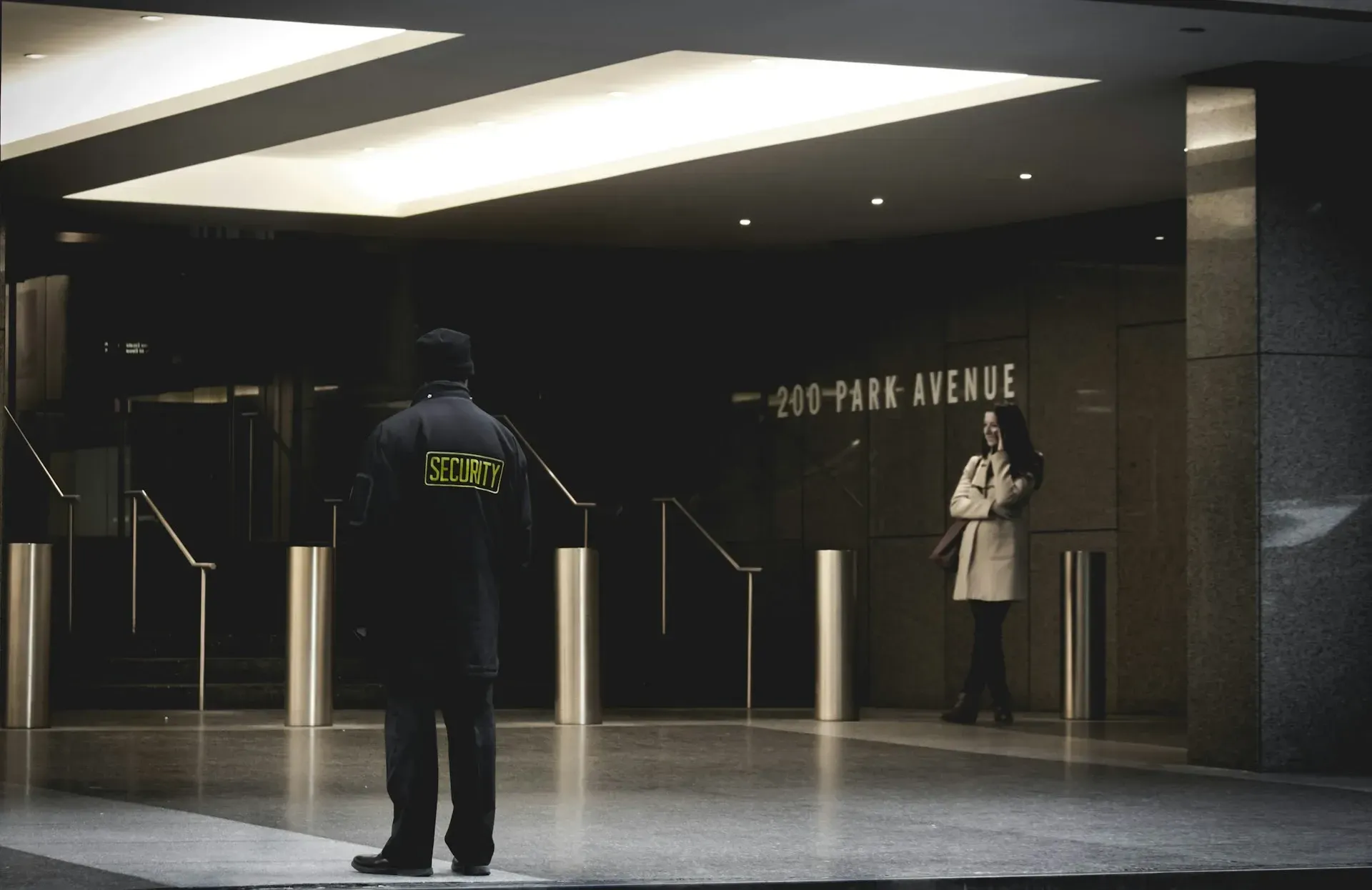
Alarm monitoring involves responding to triggers. To protect your home or business, you need a comprehensive range of security tools that provide your surveillance team with the necessary context to verify threats and respond accurately.
- Indoor and outdoor security cameras: Enable monitoring agents to visually confirm alarms.
- Intrusion alarms: Centres can verify and prioritize triggers based on their risk level
- Access control systems: Track who entered, exited, or attempted access at the time of an alert.
- Environmental sensors: Detect flooding, temperature spikes, or equipment failures before damage spreads.
- Mobile and desktop dashboards: With a control panel, property owners will receive verified alerts and incident updates in real time.
Source: Unsplash
FAQs About Security System Monitoring Companies
What do security monitoring companies do?
Security monitoring stations receive alerts from their clients’ motion sensors and video recording systems 24/7, verifying real and false alarms. Should a potential threat arise, operators follow predefined response protocols, which typically include contacting the affected property owner and keyholders, as well as requesting emergency assistance.
Who needs monitoring security companies?
Both residential and commercial property owners can benefit from professional monitoring services. Most people don’t have the time to watch live feeds, verify instant alerts, and assess threats all day. Offloading the task to a monitoring company gives you peace of mind, knowing that every situation is closely monitored.
How much do monitoring services cost?
Professional monitoring fees in Canada typically range from $20 to $60 per month for residential systems. If you manage a commercial property type, expect to pay two to three times more, depending on the complexity of your security system. The more sensors and cameras you use, the higher the total cost.
In Summary
- Choosing a 24/7 security monitoring company directly affects how quickly real threats are identified, verified, and escalated to emergency responders.
- Check for compliance with ULC-S561 fire monitoring standards, provincial security licensing rules, and privacy laws governing video surveillance.
- Remote monitoring offers continuous coverage, alarm verification, and direct coordination with police and fire services.
- Look for a compliant, experienced, and flexible monitoring service provider.
Work With a Security Monitoring Provider Built for Long-Term Protection
Don’t take chances with your safety. If you need a professionally monitored security system, turn to the experts at
PasWord Protection. We’ve been protecting homes and businesses across Ontario for over 60 years. Whether you need to install a few security cameras or work with a full-service monitoring center, we can help.
Call us today for a consultation. We’ll assess your current setup and provide an estimate tailored to your specific needs.