
Home Security Camera Laws in Canada: What You Need to Know
Home security camera laws in Canada are governed by PIPEDA and the Criminal Code. You may install surveillance cameras on your own property for security purposes, but you cannot record neighbours' private spaces or capture audio without explicit consent from all parties.
Surveillance cameras are one of the most effective security measures for residential properties. Modern systems today have high-tech features such as motion detection and cloud storage, making them perfect for deterring break-ins.
While home security cameras may prevent crime, the legal framework surrounding them can be complex. The last thing you want is to face a lawsuit while trying to secure your property.
Here’s a breakdown of the
home security camera laws in Canada and how they apply to your residence.
Canadian Privacy Laws and Your Property
When you install security cameras on private property, you must
balance your safety with the privacy laws
that protect your neighbours. While homeowners have the right to protect their own property, they must
respect others' reasonable expectations of privacy in their own homes.
The Criminal Code
According to the Criminal Code of Canada, you can maintain 24/7 video surveillance on your property, provided you do not violate specific sections on voyeurism or interception of private communication. This sets the legal baseline for what is considered illegal surveillance.
- Voyeurism: It is a criminal offence to record someone in a place where they have a reasonable expectation of privacy, such as a bathroom or a neighbour's bedroom.
- Private spaces: You cannot point your cameras toward a neighbour's windows, backyards, or swimming pools in a way that captures their private activities.
- Audio recording: Using a security camera to record private conversations without consent can lead to criminal charges.
Private Nuisance
Even if your camera placement is technically legal under the Criminal Code, it could still be considered a "private nuisance" in civil court.
Residential security camera laws in Ontario and other provinces suggest that
if a camera is positioned specifically to annoy, provoke, or interfere with a neighbour's enjoyment of their property, it may be actionable in tort.
Trespassing
Under the home security camera laws in Canada, you cannot enter a neighbour's property to install a device. Furthermore, any camera mounted in such a way that it physically encroaches on another person's property is a violation of trespassing laws.
Image Source:
Envato
Residential Security Camera Laws by Province
While the Criminal Code is federal,
different provinces have their own privacy regulations
that affect how you collect personal information through video recording.
Ontario
In Ontario, residential security camera laws are primarily influenced by the Personal Information Protection and Electronic Documents Act (PIPEDA) when commercial interests are involved.
For purely residential use, the common law and the Criminal Code govern. Homeowners in the Golden Horseshoe, including Hamilton and Niagara, must ensure their security systems do not record public spaces beyond their property line unnecessarily.
If you’re also using cameras for a home-based business, you may need a
formal video surveillance policy in Ontario to stay compliant with PIPEDA.
British Columbia
In British Columbia, the Personal Information Protection Act (PIPA) sets a high bar for privacy. Residents must ensure that their use of security cameras is for a legitimate need. If a neighbour feels your camera is capturing too much of their daily life, the Office of the Information and Privacy Commissioner for BC can investigate.
It’s best practice to
aim your camera as narrowly as possible at your own points of entry.
Alberta
Similar to BC, Alberta uses its own PIPA to regulate the collection of personal information. Residential security camera laws in Alberta emphasize that any surveillance must be "reasonable."
If you live in an Alberta municipality,
check local bylaws, as some cities have specific rules about how far your security camera can capture onto the street or onto a neighbouring property.
Security Cameras in the Home
A common question we receive is about the legality of placing a security camera inside the house. While you have the right to monitor your own property, you must still respect the privacy of those who enter.
- Private areas: It is generally illegal to place cameras in bathrooms or guest bedrooms where an individual has a high expectation of privacy.
- Notice to guests: While not always a strict legal requirement in private homes, it’s a professional and ethical practice to inform visitors, babysitters, or contractors that security cameras are in place.
- Workplace rules: If you have employees working in your home (like a nanny), different rules apply. Learn more about
workplace cameras and employee rights.
Apartment and Condo Security Camera Laws
Can I put a camera outside my condo door in Ontario? It depends. In most cases, the hallway of a condo or apartment building is considered a public space or common element owned by the corporation or landlord.
Tenants must usually obtain their landlord's written permission before installing any hardware. If the installation involves drilling into common walls, it might be prohibited. Many residents opt for video doorbells as a compromise, but even these must follow the building's specific video surveillance policy in Ontario.
Landlords must also provide notice under PIPEDA if they install cameras in lobbies or laundry rooms.
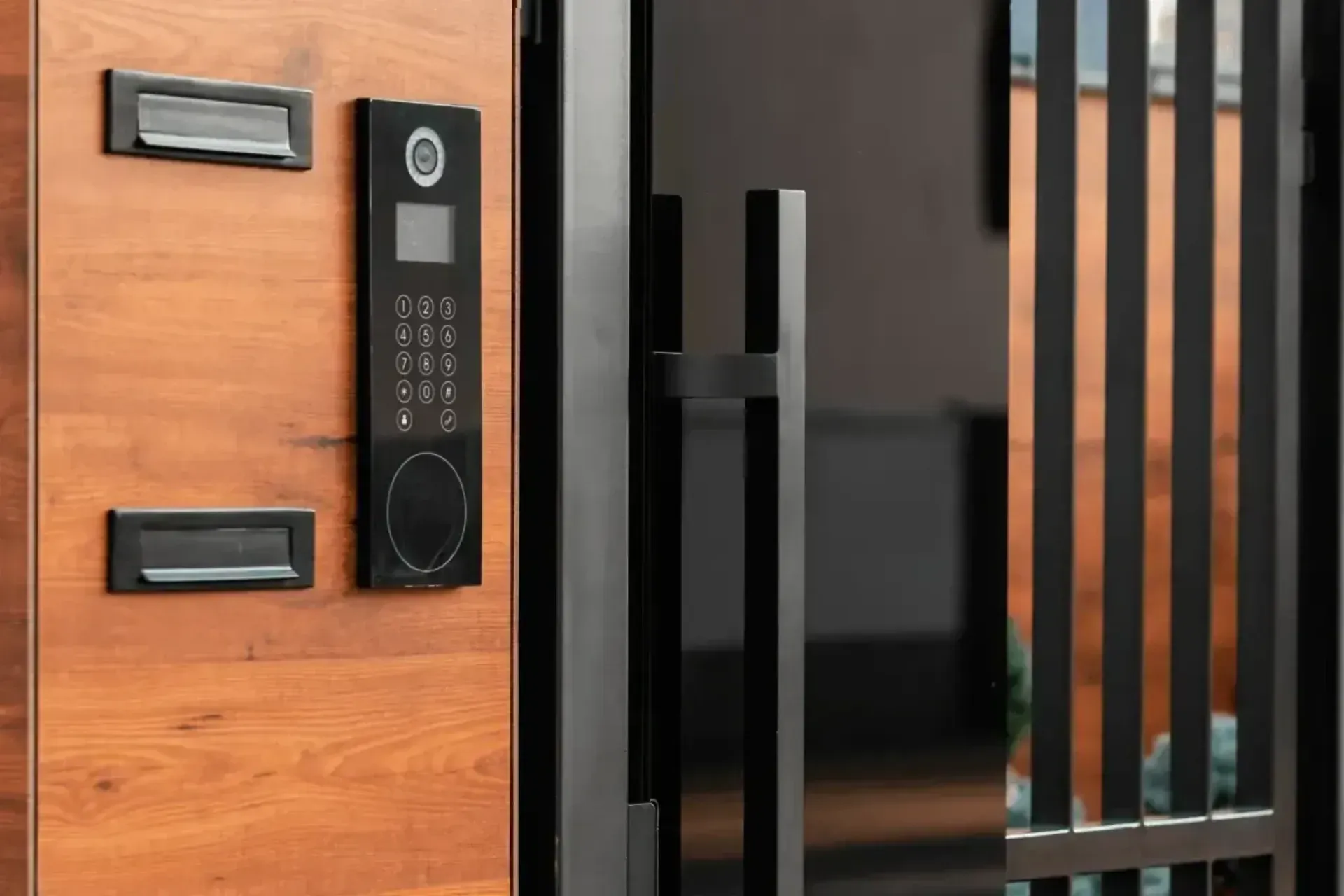
Image Source: PasWord Protection
Audio Recording Features
Is it legal to record audio on security cameras in Canada? Generally, the answer is no.
Canadian privacy laws and the
Criminal Code prohibit the recording of private communications
without the consent of at least one participant. Because a security camera often captures audio from people who are unaware they are being recorded, it’s best to disable the audio feature entirely to avoid legal trouble.
FAQs About Security Camera Laws
Can my neighbour have a camera pointed at my house in Ontario?
A neighbour can have a camera that happens to see part of your property, but they cannot specifically target your windows or private areas like a backyard, where you have a reasonable expectation of privacy.
Can tenants install security cameras in Ontario?
Yes, but they typically need landlord approval if the installation causes damage or if the camera views common areas.
Is it legal to record audio on a security camera in Canada?
It’s risky and often illegal to record audio without the explicit consent of the people being recorded. We recommend disabling audio on all residential security systems.
Can my security camera record the street?
Yes, you can generally record the street or public sidewalk for security purposes, as there is a lower expectation of privacy in public spaces.
Can a landlord install cameras outside the house without telling tenants?
No. Under PIPEDA and various provincial privacy acts, landlords must inform tenants about surveillance cameras in areas where they might be recorded.
Are signs required for video surveillance in Canada?
In Canada, businesses must post signs under PIPEDA. While not strictly required for residential properties under home security camera laws, signs are a professional way to inform guests and deter intruders while respecting privacy.
What is considered illegal surveillance in Ontario?
Illegal surveillance in Ontario includes recording private conversations without consent or capturing footage where individuals have a reasonable expectation of privacy, such as bathrooms or a neighbour’s windows. Violating these specific laws can lead to criminal charges.
Are surveillance cameras an invasion of privacy in Canada?
Surveillance cameras are legal for protecting your property and family. They constitute an invasion of privacy only if they enter private spaces or record audio without a legitimate purpose, in violation of Canadian privacy laws and the Criminal Code.
Key Takeaways
- Property boundaries: Always ensure your security camera is pointed toward your own property.
- No audio: Disable audio recording features to remain in compliance with the Criminal Code.
- Respect privacy: Avoid capturing footage of a neighbour’s windows or private backyard spaces.
- Check local rules: Review your specific provincial PIPA or condo bylaws before installing.
- Professional placement: Consult experts for the
six ideal locations for home surveillance cameras to maximize safety and legal compliance.
Secure Your Home with Confidence
Navigating home security camera laws in Canada doesn’t have to be difficult.
At PasWord Protection, we provide professional residential security cameras designed to keep you safe and compliant with the law. Our team serves the entire Golden Horseshoe, providing expert installation that respects your neighbours' privacy while offering the proactive deterrence you need.
With remote monitoring, you can keep an eye on your property in real time from anywhere, giving you confidence that you're covered and that your home is protected by the best in the industry.
We take your safety seriously.
Contact us today for a
free quote on a custom home security system.