

How to Choose: Remote Video Monitoring vs. On-Site Guards
While guards can respond in real time, several are needed to effectively cover multiple locations. Remote monitoring allows you to track multiple sites at once, and operators can verify and escalate threats. However, this system is also susceptible to technical errors.
When it comes to security, you generally have two options: hire traditional security guards or invest in a live video monitoring system. On-site security guards have been the norm for decades. But with the rising cost of labour and the complexity of modern threats, residential and business owners need a more cost-effective, real-time approach.
In this blog, we discuss remote video monitoring vs. on-site guards to help you reach an informed decision. Let’s weigh their benefits, limitations, and suitability for different needs.
Comparing Security Guards vs. Video Surveillance
Before diving into the pros and cons of each security solution, here’s a quick overview of their biggest differences.
| Feature |
Remote Video Monitoring |
On-Site Guards |
|---|---|---|
| Security method |
Monitored by trained operators from an off-site command centre using live video feeds and analytics |
Staffed by a physical guard stationed on the property |
| Coverage |
Covers multiple zones simultaneously through fixed and pan-tilt-zoom cameras |
Coverage limited to where the guard can physically patrol at a given time |
| Surveillance method |
Uses motion detection, video analytics, and event-based alerts to identify threats |
Relies on visual observation and routine patrols to spot incidents |
| Reliability |
Provides consistent 24/7 monitoring without fatigue, shift gaps, or distractions |
Effectiveness depends on staffing levels, alertness, and shift scheduling |
| Response |
Incidents are visually verified before escalation, reducing false alarms |
Guards may need to investigate alarms manually, increasing response time |
| Escalation |
Escalation is handled remotely through police, emergency services, or mobile response teams |
Guards can directly intervene but may face safety and liability risks |
| Cost |
Lower total cost of ownership over time due to reduced labour requirements |
Higher recurring costs from wages, benefits, training, and coverage redundancy |
Pros and Cons of Working With On-Site Security Guards
Many businesses and retail stores prefer having an on-site guard during their business hours. Likewise, homeowners with large properties may feel more secure with the presence of security personnel, paired with CCTV and video surveillance systems.
On-site guards as residential and business security solutions often bring the following advantages:
- Physical presence can deter certain types of crime immediately
- Guards can respond in real time and interact directly with individuals
- Useful for access control, concierge-style security, and crowd management
- Flexible decision-making in unpredictable, human-driven situations
That said, guards are also more prone to human error and offer limited coverage.
- High ongoing labour costs (wages, benefits, training, coverage redundancy)
- Limited coverage based on patrol routes and line of sight
- Performance varies by individual alertness, experience, and shift conditions
- Greater liability and safety risks during direct confrontation
- Scaling coverage requires hiring additional guards

Source:
Pexels
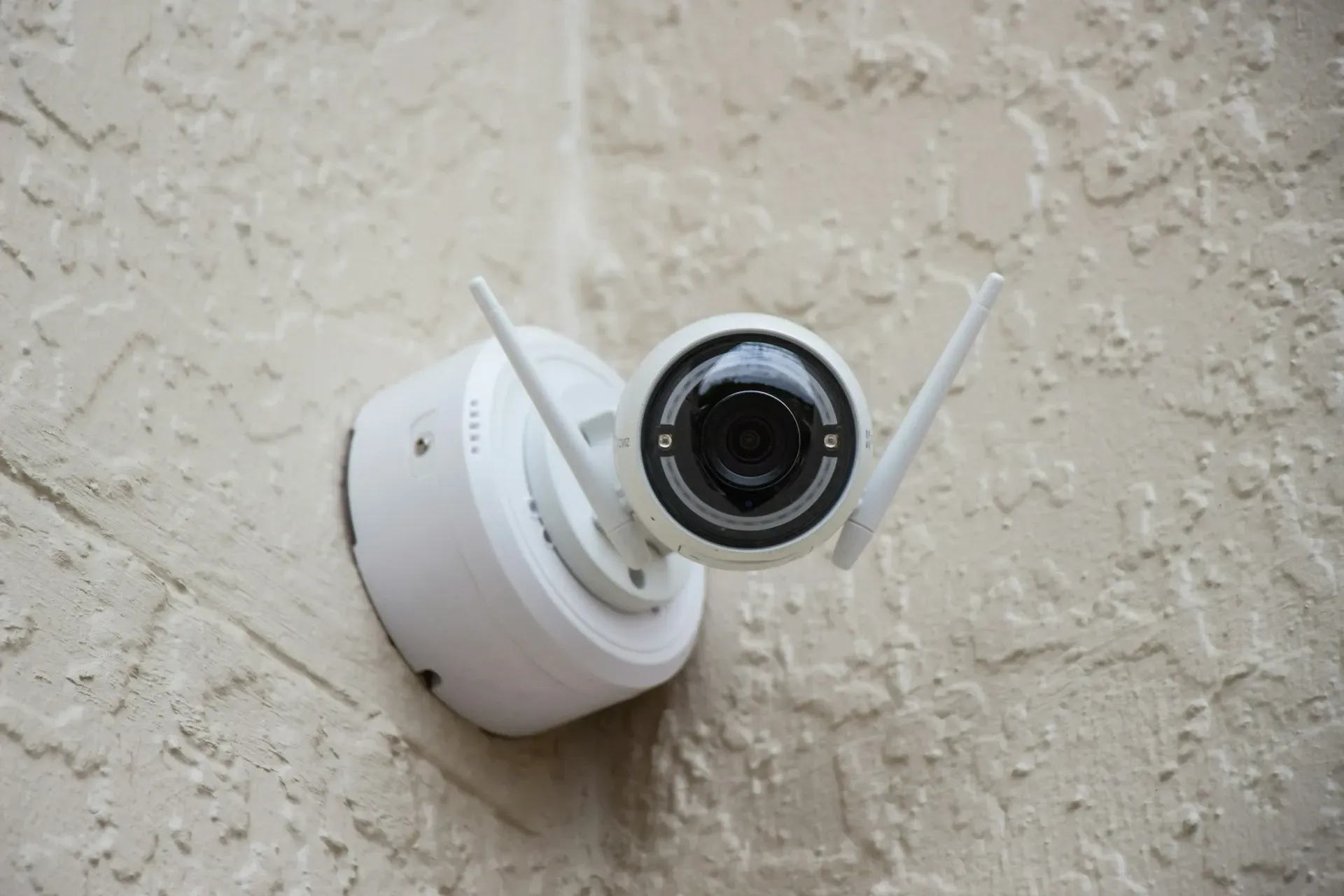
Pros and Cons of Remote Monitoring
As technology advances and crimes become more complex, modern video monitoring is becoming a more reliable security solution for homes and businesses alike.
- Lower total cost of ownership compared to 24/7 on-site staffing
- Continuous monitoring without fatigue, shift gaps, or human error
- Covers multiple zones simultaneously using cameras and analytics
- Visual verification reduces false alarms before escalation
- Creates recorded footage for investigations, audits, and insurance claims
- Scales easily by adding cameras instead of hiring more personnel
However, security monitoring systems also have their limitations, especially if they’re not monitored 24/7.
- No physical presence on site to directly intervene
- Effectiveness depends on camera placement, lighting, and system quality
- Requires reliable internet and power infrastructure
- May not deter threats that respond only to visible human presence
Source:
Unsplash
FAQs About Security Guards vs. Video Surveillance
What is the best security system for business operations
The best security system for business operations depends on your company's size and exposure level. Consider asset value, industry regulations, and staffing model when selecting a security system model.
What are the advantages of remote monitoring?
A remote surveillance video system has lower long-term costs and more consistent coverage while providing real-time response to threats.
What is the difference between CCTV and guard?
CCTVs have several cameras that show live footage on monitors, but they cannot stop threats. To respond effectively, you need trained operators to monitor these systems. A security guard protects property and people from danger and can directly confront threats, but a single guard can only cover a limited area.
In Summary
- On-site security guards and remote video monitoring solve different security problems and aren’t interchangeable.
- Guards offer immediate physical presence and human judgment but come with higher labour costs and limited coverage.
- Video surveillance relies on proper system design, camera placement, and active monitoring to be effective.
- Many properties benefit most from a hybrid approach that combines physical deterrence with real-time video verification.
Make the Right Security Choice for Your Property With PaSword Protection
Still can’t decide between remote video monitoring vs. on-site guards? Get the best from both options with PasWord Protection. Our 24/7 monitoring service protects your home or business round the clock, with remote virtual guards monitoring live feeds and always ready to act.
Call our team for an
initial consultation. We’ll assess your current security setup and suggest ways to strengthen it while staying within your budget.